

Metal Industry Recruiters

Career Paths

Workers sorting and processing scrap metal in industrial recycling facility
Career Paths

Careers in Metal Recycling: Jobs, Salaries & Growth Outlook (2026 Guide)

The metal recycling industry is one of the most overlooked yet rapidly growing sectors in manufacturing and sustainability.
As industries shift toward circular economy models, metal recycling plays a critical role in reducing waste, conserving raw materials, and supporting large-scale industrial production.
From scrap yards to advanced recycling plants, this sector offers a wide range of career opportunities from entry-level roles to high-paying leadership positions.
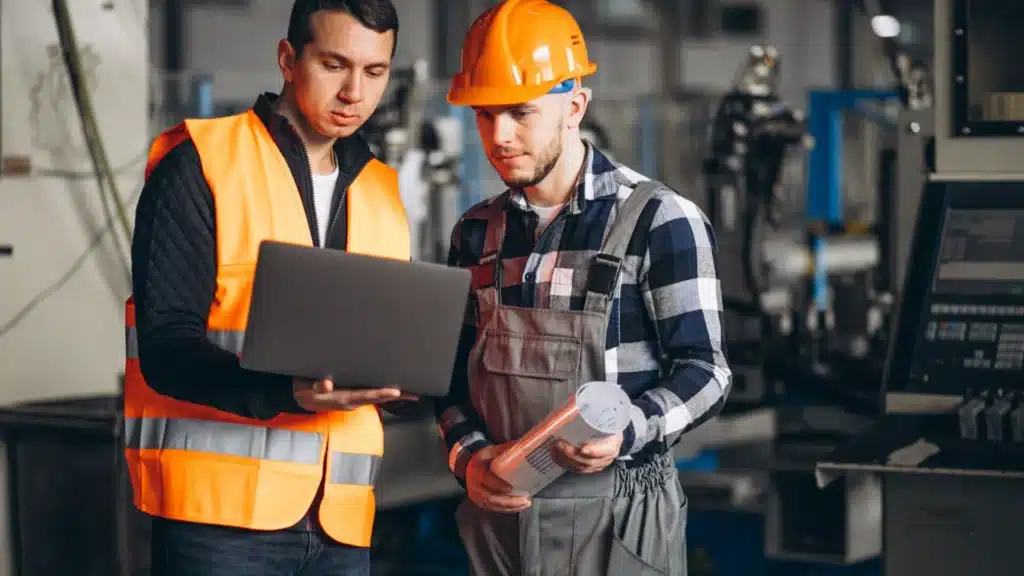
Manufacturing plant manager supervising production operations in a metal manufacturing facility
Career Paths

How to Become a Plant Manager in Metal Manufacturing (Career Path Guide for 2026)

Plant managers play one of the most critical leadership roles in metal manufacturing. They oversee production operations, manage teams, ensure safety compliance, and maintain efficiency across entire facilities.
In industries like steel manufacturing, metal fabrication, metal processing, and recycling, plant managers are responsible for keeping operations running smoothly while meeting strict production targets.
For professionals working in manufacturing, becoming a plant manager is often the result of years of operational experience combined with leadership development.
This guide explains:
The career path to becoming a plant manager
Key skills and qualifications needed
Certifications that help manufacturing leaders advance
Typical salary ranges for plant managers in the U.S.
Job outlook for plant managers in the metal industry

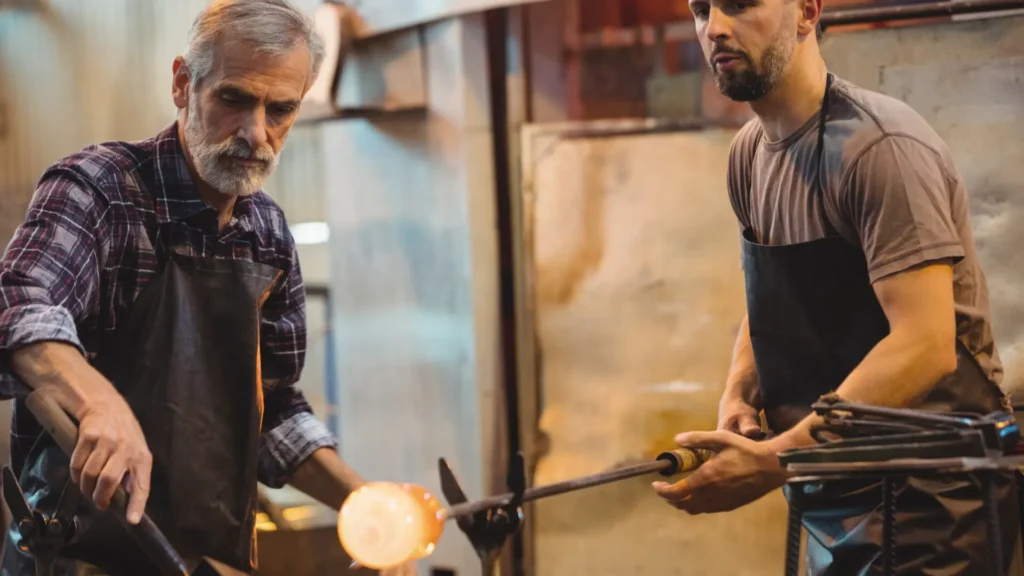
Metal fabrication welder and steel manufacturing mill operator working in industrial facilities
Career Paths

Metal Fabrication vs Steel Manufacturing Careers Compared: Roles, Skills, Salary & Outlook (2026 Guide)

If you’re considering a career in the metal industry, one of the most common questions is:
What’s the difference between metal fabrication and steel manufacturing careers and which is better?
While both industries work with metal and often overlap in supply chains, the daily work, skill requirements, salary ranges, and career progression paths can look very different.
This guide breaks down:
Primary differences between metal fabrication and steel manufacturing careers
Daily job responsibilities in each environment
Skills required to succeed in fabrication vs steel mill roles
Salary comparison in the U.S.
Career growth and long-term outlook
Which path may be better for your goals

Professionals working in leadership and quality roles in the metal recycling industry
Career Paths

Metal Recycling Career Paths Beyond Operations: Finance, QA & Leadership Roles Explained

When people think about careers in metal recycling, they usually picture plant operations, equipment operators, or yard supervisors. While those roles are essential, they represent only a portion of the career opportunities available in today’s metal recycling industry.
As recycling operations become more regulated, data-driven, and strategically important to manufacturers and governments alike, career paths in metal recycling now extend well beyond operations. Professionals with backgrounds in quality assurance, environmental compliance, finance, logistics, and leadership are increasingly in demand.

Metal fabrication jobs and careers in U.S. manufacturing
Career Paths

Metal Fabrication Jobs in the U.S.: How Many Are Available and Which Careers Pay the Most

Metal fabrication plays a critical role in the U.S. economy, supporting industries such as construction, infrastructure, manufacturing, energy, automotive, and aerospace. As demand for domestic manufacturing and large-scale infrastructure projects continues to grow, many job seekers are asking:
How many jobs are available in metal fabrication, and is it a good long-term career?
This guide breaks down current job availability, career paths, and the best paying jobs in metal fabrication, helping both job seekers and employers understand where the industry is headed.

Career Paths

Metallurgical Manager vs Senior Metallurgist: Roles, Skills, Salary & Career Path in the USA

As metals manufacturing, steel processing, alloy production, and advanced materials engineering continue to evolve, companies are increasingly relying on senior-level metallurgy professionals to drive quality, efficiency, and innovation.
Two roles that are often confused but are fundamentally different are Senior Metallurgist and Metallurgical Manager.
While both positions require deep metallurgical knowledge, they differ significantly in day-to-day responsibilities, leadership scope, salary potential, and long-term career trajectory.

Sales executive discussing commercial strategy in a metals manufacturing organization
Career Paths

Director of Sales in the Metals Industry: The Role Driving Growth in Modern Manufacturing

In today’s metals and manufacturing landscape, growth is no longer driven by capacity alone. It is driven by commercial leadership.
Steel mills, aluminum producers, specialty alloy manufacturers, fabrication shops, service centers, and capital equipment suppliers are all operating in a market defined by:
Volatile pricing
Tight margins
Long sales cycles
Technically sophisticated customers
Increasing pressure from private equity and global competitors

Career Paths

The Explosive Rise of Stainless Steel Powder: How Additive Manufacturing Is Creating a New Wave of Metallurgy Careers in 2026 and Beyond

Auto manufacturers, aerospace companies, medical device OEMs, and industrial giants are moving aggressively into powder-based 3D printing. Meanwhile, leading steel producers such as Outokumpu, Sandvik, AMETEK, and Carpenter Technology are rapidly expanding their stainless-steel powder portfolios, signaling a major economic shift.
This surge isn’t just about technology. It’s about jobs, new skills, and completely new metallurgy career paths that didn’t exist 10 years ago.
If you’re a metallurgist, materials engineer, CNC professional, or steel manufacturing specialist, the stainless-steel powder revolution might be the career pivot of the decade.
This guide breaks down what’s happening, why it matters, and how to position yourself (or your workforce) to win big as demand for stainless-steel powder additive manufacturing explodes.

Workers operating machinery inside a modern U.S. steel manufacturing plant
Career Paths

Steel Manufacturing Jobs: The Complete Guide to U.S. Opportunities in 2026

Steel is the backbone of America’s infrastructure, automotive production, energy systems, and industrial base. And in 2026, the U.S. steel industry is expanding faster than at any time in the last two decades.
Three major forces are driving this surge:
Massive investments in domestic manufacturing

Growth in EVs, renewable energy, and large infrastructure projects

A retiring workforce creating thousands of vacancies

From mill operators to metallurgists, maintenance technicians to EAF operators, steel manufacturing jobs are opening across the country and employers are competing fiercely to hire skilled workers.

Scroll to Top