
Metal Industry Recruiters

Industry News

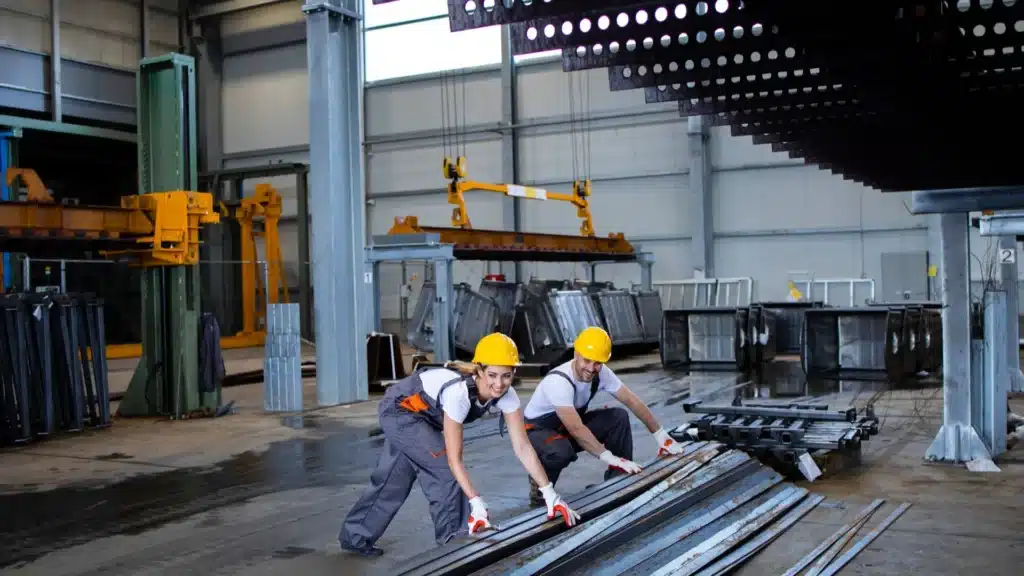
Steel manufacturing workers operating heavy machinery in industrial metal production plant
Industry News

What the Latest U.S. Jobs Report Means for Metal Manufacturing Jobs in 2026

The latest U.S. employment report delivered an unexpected signal to economists and industry leaders.
In February 2026, the U.S. economy reportedly lost approximately 92,000 jobs, marking one of the most surprising labor market shifts in recent months. The report raised concerns across sectors including construction, services, healthcare, and manufacturing.
For professionals working in the metal industry including steel manufacturing, metal fabrication, and industrial processing the question is obvious:
What does this jobs report mean for manufacturing employment and future hiring trends?
While headline job losses can signal economic slowdown, the reality inside industrial sectors like metal manufacturing is often more nuanced. Demand for infrastructure, energy projects, transportation equipment, and industrial machinery continues to drive long-term demand for skilled workers in metals.
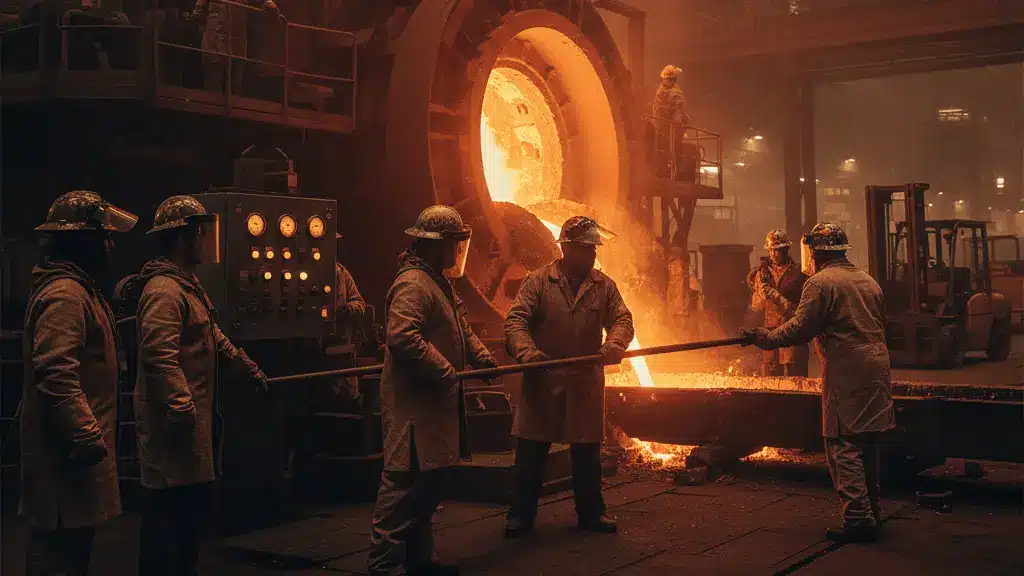
Steelworkers operating equipment inside a U.S. blast furnace facility, representing the 2026 surge in steel manufacturing jobs after furnace restart
Industry News

U.S. Steel Blast Furnace Restart in 2026: What It Means for Jobs, Hiring, and the Future of American Steel

In a major reversal of a 2023 shutdown, U.S. Steel has announced that it will restart the #2 blast furnaces at its Granite City Works plant in Illinois to meet rapidly rising customer demand in 2026. The restart, confirmed through multiple industry news outlets, is expected to bring more than 400 steel manufacturing jobs back to the region and reignite momentum in one of America’s most historic steelmaking hubs.
This is not just a local economic story.
This is a national workforce signal.
Why?
Because steelmakers do not restart blast furnaces unless demand is strong, forecasts are stable, and long-term production planning requires additional capacity. And if U.S. Steel is turning the lights back on at Granite City, other integrated mills and EAF plants across the U.S. could soon follow.

Industry News

EV Demand & Its Impact on Steel Jobs: The Changing Face of the U.S. Metals Workforce

The electric vehicle (EV) boom is rewriting the rules of modern manufacturing and steel sits at the center of this transformation. From lightweight body panels to high-strength battery enclosures, advanced steels are essential to every EV on the road. Yet behind every ton of steel produced lies another transformation in jobs, skills, and talent needs across the metals and automotive supply chain.
As automakers ramp up electric vehicle production, steel producers are under pressure to innovate, automate, and expand capacity for high-performance and sustainable steels. This demand is creating a surge in hiring not just in traditional steelmaking but in research, design, and supply chain operations that feed into EV production.

Industry News

Alloy Mining Outlook 2026: Talent and Opportunity in the Future of Metals

As the global transition toward clean energy, electric mobility, and smart infrastructure accelerates, the U.S. metals and mining industry finds itself at a historic crossroads. Alloy mining, the extraction and refinement of metals like nickel, cobalt, vanadium, lithium, and rare-earth elements is rapidly becoming one of the most strategic sectors driving the modern economy.
Between 2024 and 2026, demand for alloying materials used in EV batteries, aerospace, renewable energy systems, and defense technologies is expected to surge. According to market forecasts, the global rare metals and alloys market could exceed $250 billion by 2030, with the U.S. aiming to secure a significant share through domestic production and sustainable sourcing.

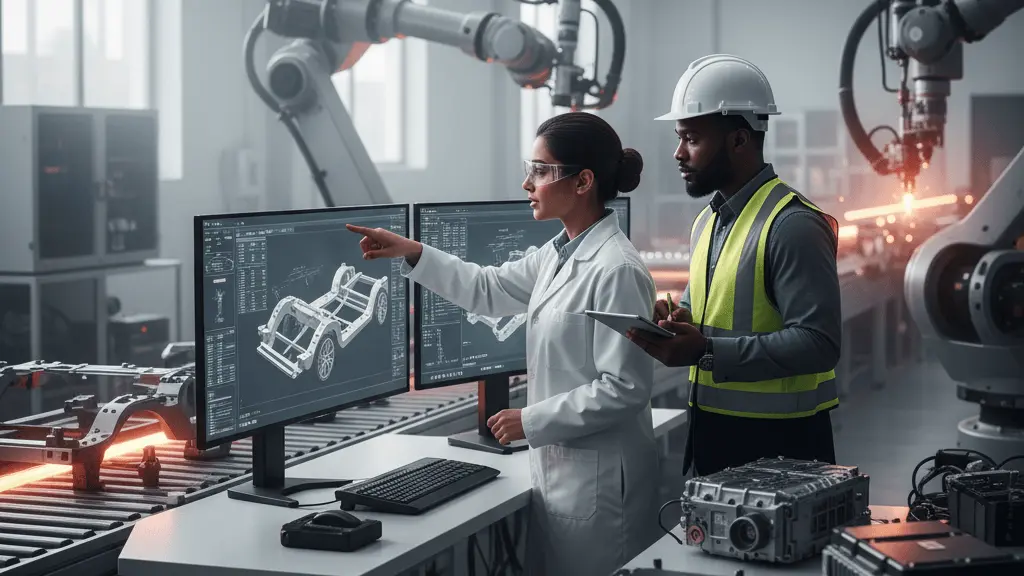
Modern U.S. steel plant with automated robotics and engineers showcasing green steel innovation in 2025.
Industry News

Top U.S. Steelmakers Driving Innovation & Talent Demand in 2025

The U.S. steel industry is entering a pivotal phase. As global demand for infrastructure, renewable energy, electric vehicles and modern manufacturing grows, domestic steel producers are racing to modernize operations, adopt more sustainable production practices, and harness advanced technologies like robotics, automation, and artificial-intelligence-driven process control. This wave of change is spurred by two converging forces: regulatory and market pressure for greener steel, and a talent shortage of engineers, operations experts and manufacturing leaders capable of managing the next-gen plant.

Engineers and plant managers in a U.S. steel manufacturing facility discussing workforce planning and hiring strategies amid new steel tariffs
Industry News

How U.S. Steel Tariffs Are Reshaping Hiring in 2026

U.S. steel tariffs are reshaping hiring and workforce planning across the manufacturing and metals industries. Domestic steel production growth, automation investments, and tariff-driven price changes are transforming how plant managers, HR directors, and executives hire and retain skilled labor. Learn how trade policy, workforce shortages, and sustainability initiatives are redefining the U.S. steel workforce—and how MetalRecruiters, a leading steel industry recruitment agency, helps employers adapt to these changes.

Industry News

The Rise of Automation in Metal Fabrication: Smart Machines, Cobots & the Future of Welding

Automation has become the backbone of modern manufacturing—and metal fabrication is no exception. As industry leaders seek new ways to increase efficiency, reduce errors, and meet growing demand, the integration of smart machines, robotic welding systems, and cobot technologies is fundamentally transforming how metal parts are designed, processed, and assembled.
Whether you’re an executive evaluating investments in CNC automation or a plant manager assessing robotic welding machines, understanding the current landscape of welding automation is critical in 2026.

Scroll to Top